
What Is a Deep Dental Cleaning? Understanding Scaling and Root Planing
When you think about keeping your mouth healthy, your teeth probably come to mind first. But healthy teeth depend on something equally important: healthy gums.
Your gums and the bone underneath them provide the foundation that supports your teeth. When bacteria and tartar accumulate below the gumline, that foundation can become damaged by periodontal, or gum, disease.
If gum disease has progressed beyond its earliest stages, a routine dental cleaning may no longer be enough to remove the buildup causing the problem. That's when we may recommend scaling and root planing, commonly called a deep dental cleaning.
If you've recently been told you need a deep cleaning, understanding why it's different from your regular cleaning—and what we're trying to accomplish—can make the treatment a lot less intimidating.
What Is Scaling and Root Planing?
Scaling and root planing is a non-surgical treatment for gum disease that removes plaque, tartar, and bacteria from areas below the gumline.
Plaque is a sticky film of bacteria that constantly forms on your teeth. Daily brushing and flossing remove much of it, but plaque that isn't removed can eventually harden into tartar.
Once tartar forms, it can't be removed with a toothbrush or floss.
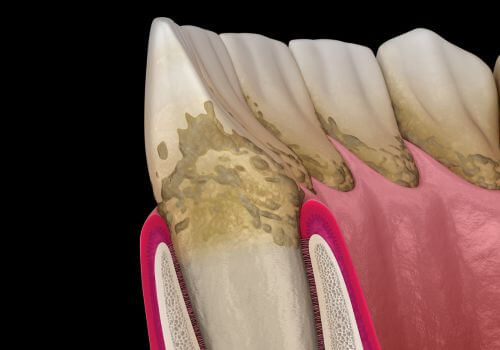
As bacteria and tartar accumulate around the teeth, the gums can become inflamed and begin pulling away from the tooth surface. This creates spaces between the teeth and gums called periodontal pockets.
Those pockets give bacteria an even deeper place to collect, potentially leading to continued inflammation and damage to the tissues and bone supporting your teeth.
Scaling and root planing allows us to thoroughly clean these areas and give your gums an opportunity to heal.
What's the Difference Between a Regular Cleaning and a Deep Cleaning?
This is one of the most common questions patients have when scaling and root planing is recommended.
A routine dental cleaning is preventive care. It removes plaque and tartar from healthy teeth and gums, primarily at and above the gumline, to help prevent dental problems from developing.
A deep cleaning is treatment for gum disease that is already present.
When periodontal pockets have developed, bacteria and tartar can collect below the gumline where a routine cleaning isn't designed to reach. Simply cleaning the visible portions of the teeth would leave the underlying source of inflammation untreated.
That's why scaling and root planing isn't simply a "more thorough" version of your regular cleaning. It serves a different purpose.
What Happens During a Deep Cleaning?
Scaling and root planing consists of two important steps.
Scaling
During scaling, we carefully remove plaque and hardened tartar from the tooth surfaces and from underneath the gumline.
Specialized dental instruments, including ultrasonic and hand instruments, may be used to thoroughly clean the affected areas.
The goal is to remove the bacterial deposits contributing to inflammation and infection.
Root Planing
After the buildup has been removed, we clean and smooth the surfaces of the tooth roots.
Removing bacterial deposits and creating a cleaner root surface helps the gum tissue heal against the teeth and can help reduce the depth of periodontal pockets.
Together, these two steps address the areas that can't be adequately treated through routine brushing, flossing, or a standard dental cleaning.
How Do I Know If I Have Gum Disease?
One of the challenges with gum disease is that it can progress without causing significant pain.
You may have a problem without realizing it.
Some common warning signs include:
-
Gums that bleed when brushing or flossing
-
Red, swollen, or tender gums
-
Persistent bad breath
-
Gums that appear to be pulling away from your teeth
-
Teeth that look longer than they used to
-
Sensitivity around the gumline
-
Loose or shifting teeth
-
Changes in your bite
However, symptoms alone don't tell us the whole story.
During your dental examination, we can evaluate the health of your gums, measure the spaces between your teeth and gums, and look for other signs of periodontal disease.
Those findings help us determine whether routine preventive care is appropriate or whether periodontal treatment is needed.
Why Treat Gum Disease Early?
Gum disease doesn't just affect your gums.
As periodontal disease progresses, it can damage the ligaments and bone that hold your teeth in place. In advanced cases, teeth may become loose and can eventually be lost.
Unfortunately, bone that has already been lost because of periodontal disease doesn't simply grow back after a cleaning.
That's why our goal is to identify and treat gum disease before additional damage occurs.
Scaling and root planing helps control the bacterial infection and inflammation so we can protect as much of the healthy supporting tissue as possible.

What Are the Benefits of Scaling and Root Planing?
When deep cleaning is appropriate for your condition, treatment can provide several important benefits.
Reducing Harmful Bacteria
Removing plaque and tartar from below the gumline reduces the bacteria contributing to periodontal inflammation.
Helping Inflamed Gums Heal
As the bacterial buildup is removed, red, swollen, and bleeding gums have an opportunity to heal.
Reducing Periodontal Pockets
Cleaning and smoothing the root surfaces can help the gums heal more closely around the teeth, reducing the spaces where bacteria can collect.
Protecting the Bone Supporting Your Teeth
Controlling periodontal disease helps reduce the risk of continued damage to the bone and tissues responsible for keeping your teeth stable.
Helping You Keep Your Natural Teeth
Ultimately, periodontal treatment is about protecting the foundation of your smile. Treating gum disease early can help you maintain your natural teeth for as long as possible.
Does a Deep Cleaning Hurt?
We know that the idea of having your teeth cleaned below the gumline can sound uncomfortable.
Your comfort matters to us.
When appropriate, we can use local anesthetic to numb the area being treated. Depending on the extent of your gum disease, scaling and root planing may also be divided between multiple appointments rather than treating your entire mouth at once.
After treatment, it's normal to experience some temporary gum tenderness or tooth sensitivity as the tissues heal.
We'll explain what to expect and provide instructions for caring for your mouth after your appointment.
What Happens After Scaling and Root Planing?
Completing your deep cleaning is an important step—but keeping gum disease under control requires ongoing care.
We'll evaluate how your gums respond to treatment and recommend a maintenance schedule based on your individual needs.
At home, maintaining good oral hygiene is especially important. That generally includes:
-
Brushing thoroughly twice a day
-
Cleaning between your teeth every day with floss or another recommended interdental cleaner
-
Following any additional home-care recommendations from your dental team
-
Avoiding tobacco products
-
Keeping your recommended dental and periodontal maintenance appointments
For patients with a history of periodontal disease, we may recommend more frequent periodontal maintenance visits than the traditional twice-a-year cleaning schedule.
That's because once you've developed periodontal disease, preventing bacteria and tartar from becoming established below the gums again becomes especially important.
Healthy Gums Are the Foundation of a Healthy Smile
It's easy to focus on your teeth when thinking about dental health, but keeping your gums and supporting bone healthy is just as important.
Scaling and root planing allows us to treat gum disease where it begins: below the gumline. By removing bacteria and tartar, reducing inflammation, and helping the gums heal, we can work to stop periodontal disease from causing additional damage.
If you've noticed bleeding gums, gum recession, persistent bad breath, or other changes in your gum health, don't wait for the problem to become painful.
And if we've recommended a deep cleaning, we're always happy to explain why we're recommending it and what you can expect from treatment.
At Integrity Dental, our goal isn't simply to treat dental problems as they arise. We want to help you understand your oral health so you can make informed decisions and keep your natural smile healthy for years to come.
If you have questions about gum disease or scaling and root planing, give Integrity Dental a call at (719) 545-2468 or email us at [email protected]. Our team would be happy to talk with you.
And don't forget to follow Integrity Dental on Facebook and Instagram for dental tips, office updates, and more ways to keep your smile healthy.